
The Continuing Importance of Satellite and Terrestrial Infrastructure
in Commercial MDUs
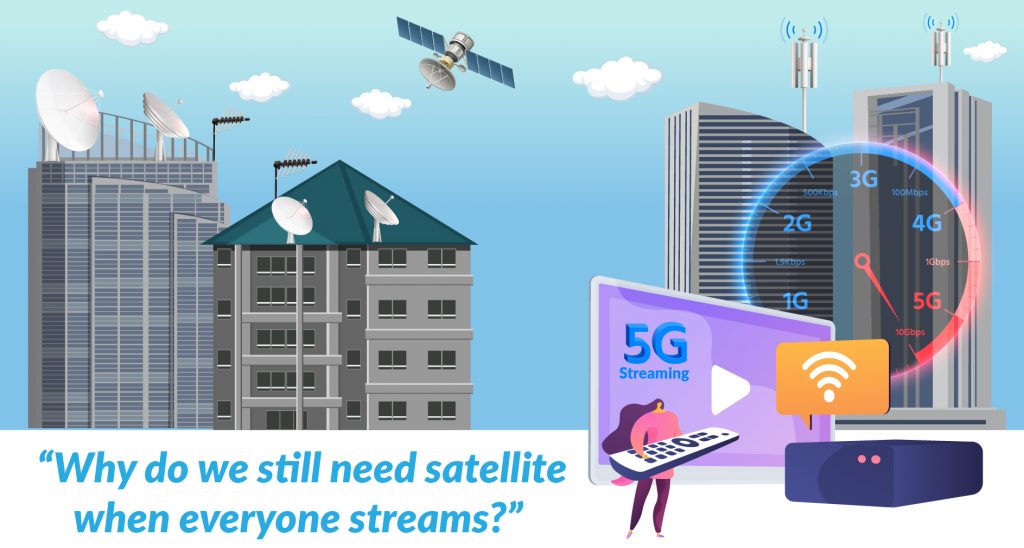
Over the past year, I’ve been asked repeatedly: “Why do we still need satellite when everyone streams?”
And yes — streaming is now firmly part of everyday viewing. But streaming alone is not what consumers necessarily want, nor what resilient infrastructure should rely on.
In a world of on-demand entertainment at the touch of a button, choice has never been more important. Delivering multiple TV distribution formats is, in my view, the only sensible way forward for commercial MDUs.
The availability of satellite and terrestrial television within an MDU allows residents to choose how they watch TV. Current figures still show around 7–8 million UK households using satellite services (approximately 25–30% of homes), with up to 5.4 million relying on digital terrestrial Freeview. With that level of adoption, removing or deprioritising these platforms feels premature and, arguably, misguided.
There remains strong support for satellite platforms such as Sky and Freesat, driven by very practical advantages:
- Low latency
- Recording, pause and rewind functionality
- Exceptionally low outage rates
- 100% UK coverage
While streaming is often positioned as “the future”, it is not without risk. Bandwidth contention, network bottlenecks and local or national outages are increasingly common. A single-platform, internet-only approach leaves MDUs vulnerable — when connectivity fails, all viewing fails.
Future-proofing TV delivery isn’t about choosing sides. It’s about resilience, reliability and consumer choice. To guarantee consistent TV access and meet diverse viewing habits, satellite, terrestrial and streaming platforms must continue to coexist within modern MDU infrastructure.
Choice isn’t legacy thinking — it’s good engineering.

Daniel Hawkins (MSCTE)
Northern Sales & Support
dan@whytetechnologies.com